
MONTGOMERY, Ala. — The Montgomery City Council has unanimously approved the Greater Floyd Campus Master Plan, establishing a long-term vision for redevelopment, recreation, and neighborhood improvements in one of the city’s historic community corridors.
The plan serves as a roadmap for future investments and revitalization efforts across the Greater Floyd Campus area in south Montgomery, which includes the Floyd Community Center, the Montgomery Therapeutic Recreation Center, former school properties, open green spaces, and surrounding parcels.
City officials said the master plan is one of several District 7 initiatives funded through the American Rescue Plan Act, with funding dedicated by District 7 Councilor Andrew Szymanski to support infrastructure improvements and community planning projects.
According to city leaders, the plan focuses on enhancing connectivity, walkability, public safety, neighborhood revitalization, infrastructure improvements, and overall quality of life while ensuring residents remain central to the area’s future development.
Mayor Steven L. Reed said the plan was shaped through extensive public participation and reflects the priorities of residents who live and work in the area.
“This plan reflects the voices of residents who care deeply about their neighborhood and its future,” Reed said. “The unanimous approval of this master plan gives us a roadmap to pursue new recreational opportunities, improve safety and connectivity, preserve community history, and continue investing in south Montgomery.”
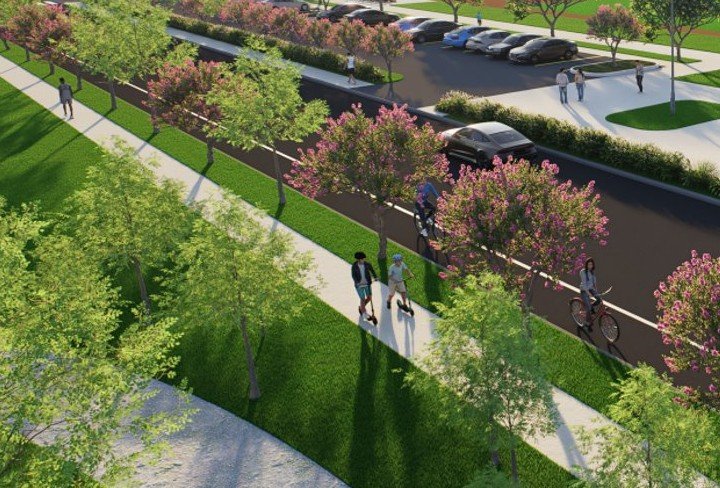
The master plan recommends a wide range of improvements designed to transform the campus into a community destination.
Proposed projects include upgraded recreational facilities, new walking trails, therapeutic gardens, expanded community gathering spaces, improved pedestrian connections, traffic-calming measures, enhanced lighting and security features, additional green space amenities, and future redevelopment opportunities intended to support economic growth and neighborhood investment.
The plan also prioritizes the revitalization of existing community assets, removal of blighted conditions, and the creation of safer and more accessible spaces for residents of all ages.
Councilor Szymanski said the project grew out of extensive conversations with residents and community stakeholders.
“When we dedicated ARPA funding to these planning efforts, the goal was to create a roadmap for meaningful investment that reflects the community’s priorities,” Szymanski said. “This plan helps position us to pursue future improvements that enhance safety, walkability, recreation, and overall quality of life while honoring the history and importance of this area.”
Community engagement played a significant role throughout the planning process. Residents participated through public meetings, neighborhood association presentations, stakeholder discussions, surveys, design workshops, and ongoing outreach efforts.
With the council’s approval, the master plan will now guide future funding requests, grant applications, public-private partnerships, infrastructure investments, and redevelopment projects within the Greater Floyd Campus area.
City officials said implementation will occur in phases as funding opportunities become available and individual projects move through design and development.
The City of Montgomery thanked residents, neighborhood associations, community organizations, and stakeholders whose input helped shape the vision for the future of the Greater Floyd Campus.