
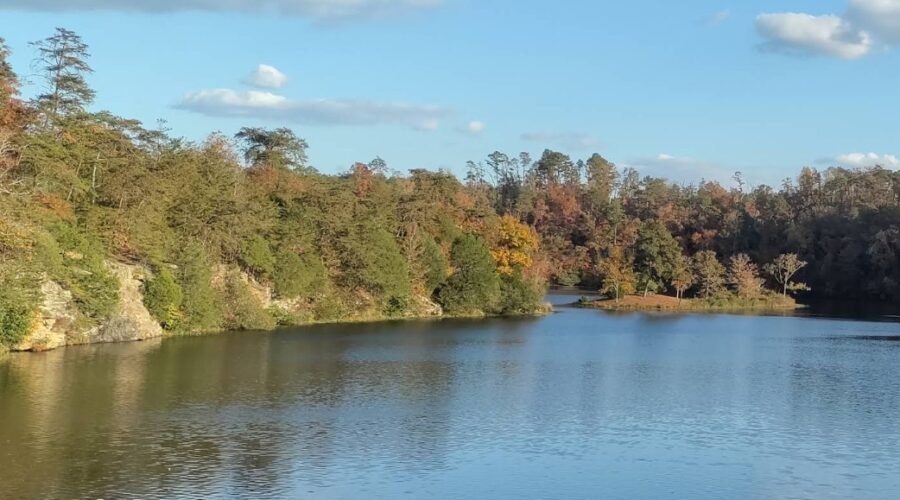
TUSCALOOSA, Ala. — The City of Tuscaloosa is designating three major public boat landings on Lake Tuscaloosa as official “Drinking Water Protection Areas” to mark national Source Water Protection Week, city officials announced.
The initiative—coinciding with the American Water Works Association’s Source Water Protection Week from September 27 through October 3, 2026—aims to remind residents and visitors that the popular recreational lake serves as the primary source of drinking water for the community.
Designating Key Access Points
The new Drinking Water Protection Area designations apply to three prominent public access points along Lake Tuscaloosa:
- Rock Quarry Landing
- Sharpes Landing
- Binion Creek Landing
As part of the rollout, the city has installed informational display boards and signage at each landing. The displays include detailed maps of the Lake Tuscaloosa watershed, educational material on source water conservation, and practical guidelines for boaters and visitors.
Located just downstream from Rock Quarry Landing, the City of Tuscaloosa operates its primary intake structure, which draws water from the lake directly into the municipal treatment and distribution system.
Protecting a Critical Resource
Completed in 1970, Lake Tuscaloosa covers 5,885 acres, features 177 miles of shoreline, and holds approximately 40 billion gallons of water. While it serves as a regional hub for boating, fishing, and outdoor recreation, city leaders emphasized that activities across its surrounding watershed directly impact water quality.
During rain events, stormwater runoff carries litter, motor oil, agricultural runoff, and household chemicals from surrounding land into the lake’s tributaries. Additionally, large boat wakes generated by recreational watercraft contribute significantly to shoreline erosion and sediment buildup.
Simple Steps for Visitors
City watershed officials encourage visitors to adopt simple protective habits while on or near the water:
- Dispose of all trash and waste in designated receptacles.
- Prevent motor oil, fuel, and synthetic chemicals from leaking or entering the water.
- Adhere to wake ballast restrictions to minimize shoreline erosion.
- Respect private and natural shorelines around the reservoir.
“Lake Tuscaloosa and its watershed is ours to protect,” said Watershed Manager Colleen Cook. “The choices we make on the water and throughout the watershed can directly impact the quality of our drinking water.”
Residents seeking additional information on watershed conservation or source water protection programs can call (205) 248-5660 or visit Tuscaloosa.com.