
MONTGOMERY, Ala. — Alabama health officials are urging residents to take precautions against tick bites as concerns grow over Alpha-gal syndrome, a potentially serious allergy linked to tick exposure that can cause allergic reactions to red meat and other mammal-derived products.
The warning comes as Alabama enters peak tick season, when the state’s warm, humid climate creates favorable conditions for ticks and mosquitoes.
According to the Centers for Disease Control and Prevention, as many as 450,000 people in the United States may be affected by Alpha-gal syndrome, commonly known as AGS, although the exact number of cases remains unknown.
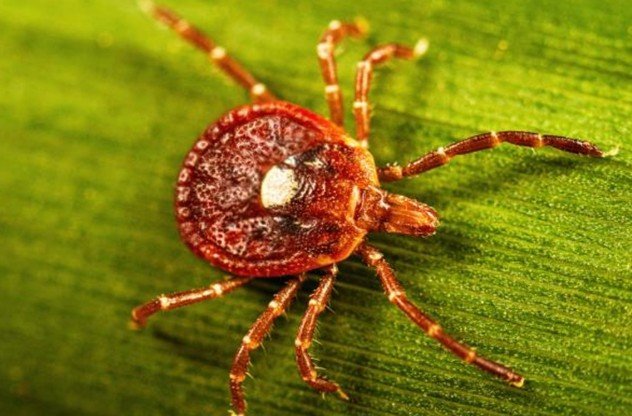
AGS develops when a person becomes allergic to alpha-gal, a sugar molecule naturally found in most mammals but not in humans. Health officials say certain tick species, particularly the lone star tick, can transfer alpha-gal through their saliva during a bite, triggering an immune response in some individuals.
The lone star tick is one of the most common tick species found in Alabama and is most frequently associated with the condition.
Unlike many food allergies, AGS symptoms often do not appear immediately. Reactions typically occur two to six hours after consuming red meat, dairy products, or exposure to products containing alpha-gal, such as some gelatin-based medications.
Symptoms can range from mild to severe and may include hives, itching, nausea, vomiting, abdominal pain, diarrhea, heartburn, coughing, breathing difficulties, swelling of the lips or throat, dizziness, low blood pressure and, in severe cases, anaphylaxis.
Health officials emphasized that anaphylaxis is a medical emergency that requires immediate treatment.
The Alabama Department of Public Health said Alpha-gal syndrome is frequently underdiagnosed, and researchers still do not fully understand why some people develop the condition while others do not. While most reported cases involve adults, individuals of any age can develop the allergy.
In May, the State Committee of Public Health approved a proposed revision to Alabama’s Rules for Notifiable Diseases that would require laboratories to report cases of Alpha-gal syndrome. State health officials said the move would improve tracking and monitoring of the condition.
To reduce the risk of tick bites, the CDC recommends avoiding tall grass and wooded areas when possible, wearing long sleeves and pants outdoors, treating clothing and gear with permethrin, using EPA-approved insect repellents, checking for ticks after spending time outside, and showering soon after returning indoors.
Health officials also encourage residents to promptly remove ticks using tweezers and consult healthcare providers if symptoms develop after a tick bite.
The Alabama Department of Public Health said prevention remains the most effective way to reduce the risk of Alpha-gal syndrome and other tick-borne illnesses.
Leave a Reply